

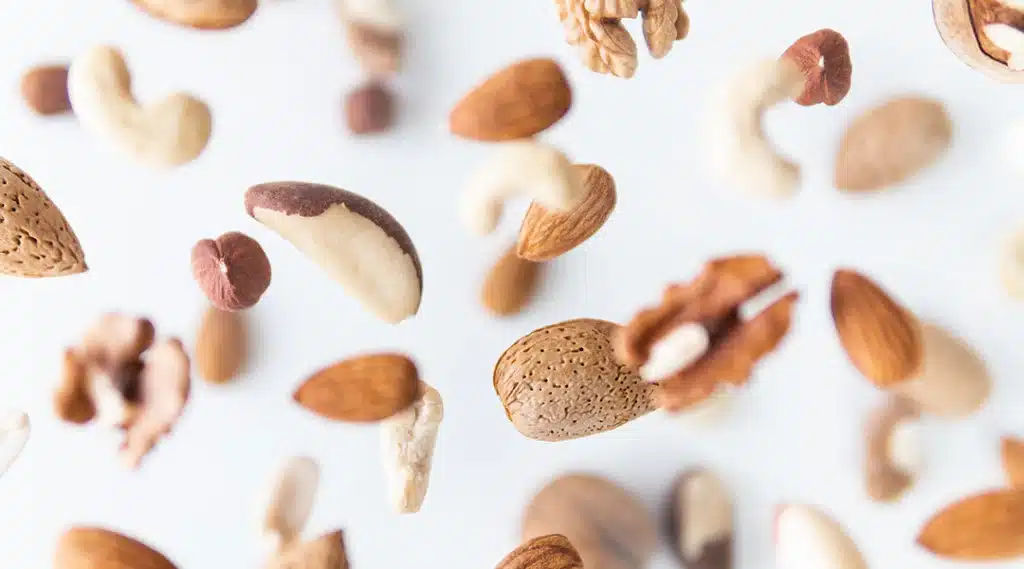
تقوم الصحة المثلى على خيارات نمط حياة مدروسة، حيث تلعب التغذية دورًا محوريًا في الوقاية من الأمراض، ومستويات الطاقة، والرفاهية على المدى الطويل.
تُعد المكسرات من أكثر الأطعمة المتوفرة غنىً بالمغذيات، حيث توفر مزيجًا ممتازًا من الدهون غير المشبعة والبروتين النباتي والألياف والفيتامينات والمعادن والمركبات المضادة للأكسدة.
يرتبط تناول المكسرات بانتظام بتحسين صحة القلب والأوعية الدموية، وتحقيق توازن أفضل في مستويات الكوليسترول، وتعزيز تنظيم مستويات السكر في الدم، وتقليل الالتهابات، ودعم التقدم في العمر بصحة جيدة.
عند تناول المكسرات بكميات مناسبة كجزء من نظام غذائي متوازن، يمكن أن تشكل إضافة يومية قيّمة لدعم الصحة الجسدية والعقلية على حد سواء.
فيما يلي نظرة عامة أكثر تفصيلاً على الفوائد الفردية لبعض أنواع المكسرات الأكثر شيوعًا.
اللوز
اللوز من أكثر أنواع المكسرات التي خضعت للدراسة، وهي غنية بشكل خاص بفيتامين E والألياف والكالسيوم والمغنيسيوم.
قد تساعد في الحفاظ على صحة البشرة، وخفض الكوليسترول، وتعزيز صحة الجهاز الهضمي، وتحسين التحكم في مستويات السكر في الدم.
يساعد مزيج الألياف والبروتينات الموجود فيها على إبطاء امتصاص الجلوكوز ويعزز الشعور بالشبع، مما يجعل اللوز وجبة خفيفة مفيدة لمن يسعون إلى التحكم في الوزن أو الحفاظ على استقرار مستويات الطاقة.
كما يوفر اللوز الكالسيوم الضروري لصحة العظام، وهو أمر مفيد بشكل خاص لمن يقل استهلاكهم من منتجات الألبان.
جوز البرازيل
جوز البرازيل تشتهر بكونها أحد أغنى المصادر الغذائية الطبيعية للسيلينيوم، وهو معدن نادر ضروري لعملية التمثيل الغذائي لهرمون الغدة الدرقية، والدفاع المناعي، والحماية المضادة للأكسدة.
قد يساعد تناول كمية كافية من السيلينيوم في حماية الخلايا من الأضرار التأكسدية ودعم الوظيفة الطبيعية للغدة الدرقية.
ونظرًا لارتفاع نسبة السيلينيوم فيها، يكفي عادةً تناول حبة أو حبتين فقط من جوز البرازيل يوميًا.
قد يؤدي الإفراط في تناوله على المدى الطويل إلى فرط السيلينيوم في الجسم، لذا فإن الاعتدال في تناوله أمر بالغ الأهمية.
كما تحتوي جوز البرازيل على دهون مفيدة ومغنيسيوم وبروتين.
جوز الكاجو
الكاجو غنية بشكل خاص بالمغنيسيوم والنحاس والزنك والحديد.
تلعب هذه المعادن أدوارًا أساسية في صحة العظام، والمناعة، وإنتاج الكولاجين، ونقل الأكسجين، وإطلاق الطاقة.
كما تحتوي الكاجو على دهون غير مشبعة مفيدة للصحة وبروتين نباتي، مما يجعلها مفيدة لصحة القلب ولإحساس الشبع.
الكستناء
الكستناء تختلف عن معظم المكسرات لأنها تحتوي على نسبة أقل من الدهون ونسبة أعلى من الكربوهيدرات المعقدة.
وهذا يجعلها مصدرًا طبيعيًا مفيدًا للطاقة، لا سيما خلال الأشهر الباردة أو قبل ممارسة النشاط البدني.
كما أنها مصدر للألياف والبوتاسيوم وفيتامين C، وهي ميزة نادرة بين أنواع المكسرات. يساعد البوتاسيوم في الحفاظ على ضغط دم صحي، وتفيد الألياف صحة الجهاز الهضمي، بينما يساهم فيتامين C في تعزيز جهاز المناعة وإنتاج الكولاجين.
البندق
البندق غنية بفيتامين E، وهو أحد مضادات الأكسدة المهمة التي تساعد على حماية خلايا الجلد والأوعية الدموية والأنسجة من الإجهاد التأكسدي.
كما أنها غنية بالدهون الأحادية غير المشبعة، التي قد تساعد في الحفاظ على مستويات صحية للكوليسترول وتقليل مخاطر الإصابة بأمراض القلب والأوعية الدموية عند استبدالها بالدهون المشبعة.
يحتوي البندق على حمض الفوليك والمغنيسيوم والمنغنيز، التي تساهم في وظائف الجهاز العصبي، وإنتاج خلايا الدم الحمراء، وصحة العظام.
كما أن محتواها من الألياف يدعم صحة الجهاز الهضمي وقد يساعد في تنظيم الشهية.
جوز المكاديميا
المكاديميا غنية بالدهون الأحادية غير المشبعة، ولا سيما حمض الأوليك، الذي قد يساعد في الحفاظ على مستويات الكوليسترول الصحية وصحة القلب والأوعية الدموية.
تحتوي هذه المكسرات بطبيعتها على نسبة أقل من دهون أوميغا 6 مقارنةً بالعديد من أنواع المكسرات الأخرى، مما يجعلها خيارًا جذابًا في الأنماط الغذائية المضادة للالتهابات.
كما أنها توفر المنغنيز والنحاس والثيامين (فيتامين ب1)، وهي عناصر غذائية مهمة لعملية التمثيل الغذائي وصحة النسيج الضام ووظائف الجهاز العصبي.
جوزة القرد
الفول السوداني هي ببساطة فول سوداني لا يزال في قشرته. من الناحية الغذائية، تقدم نفس فوائد الفول السوداني: البروتين النباتي، والدهون غير المشبعة، والألياف، والمغنيسيوم، وفيتامينات ب.
وهناك ميزة أخرى تتعلق بالسلوك أكثر منها بالتغذية، فهي أن عملية تقشير المكسرات غالبًا ما تبطئ من سرعة الأكل وتشجع على تناول الوجبات الخفيفة بوعي أكبر، مما قد يساعد في التحكم في حجم الحصص.
وبالتالي، يمكن أن تشكل هذه الأطعمة بديلاً صحياً للوجبات الخفيفة المالحة شديدة المعالجة.
جوز البقان
جوز البقان غنية بالدهون الأحادية غير المشبعة، ولا سيما حمض الأوليك، المعروف بدوره في دعم صحة القلب من خلال المساعدة في خفض الكوليسترول الضار.
كما أنها تُعد من أكثر أنواع المكسرات غنىً بمضادات الأكسدة، حيث تحتوي على البوليفينول وفيتامين E والفلافونويد التي قد تساعد في حماية الجسم من الإجهاد التأكسدي، وهي عملية ترتبط بالشيخوخة والأمراض المزمنة.
كما توفر حبات البقان المنغنيز والزنك والمغنيسيوم، التي تدعم عملية التمثيل الغذائي وصحة العظام ووظائف الجهاز المناعي. ويساهم محتواها من الألياف في صحة الجهاز الهضمي وقد يساعد في تعزيز الشعور بالشبع، مما يدعم الحفاظ على وزن صحي عند تناولها باعتدال.
صنوبر
حبوب الصنوبر هي بذور صغيرة الحجم ولكنها غنية بالمغذيات، وتحتوي على دهون أحادية غير مشبعة ومغنيسيوم وزنك وفيتامين E.
تساعد هذه العناصر الغذائية في الحفاظ على صحة القلب ووظائف الجهاز العصبي وتوفير الحماية المضادة للأكسدة.
يُعد المغنيسيوم مهمًا بشكل خاص لإرخاء العضلات، وتنظيم ضغط الدم، وتحسين جودة النوم.
كما تحتوي حبوب الصنوبر على حمض البينولينيك، الذي قد يساعد في تحفيز الهرمونات المرتبطة بالشبع، مما قد يساهم في تنظيم الشهية.
كما أن محتواها من الحديد والزنك يساهم في تعزيز صحة الجهاز المناعي وإنتاج الطاقة.
الفستق
الفستق هي من المكسرات منخفضة السعرات الحرارية وتوفر توازناً مفيداً بين البروتين والألياف والدهون الصحية، مما يجعلها مفيدة بشكل خاص للتحكم في الشهية وإطلاق الطاقة بشكل مستمر.
تشير الأبحاث إلى أن الفستق قد يساعد في الحفاظ على مستويات الكوليسترول وضغط الدم في مستويات صحية، وذلك بفضل احتوائه على البوتاسيوم والستيرولات النباتية والدهون غير المشبعة.
كما أنها غنية باللوتين والزياكسانثين، وهما من الكاروتينات التي تساعد في حماية العينين من التنكس البقعي المرتبط بالتقدم في العمر.
ويساعد محتواها من فيتامين ب6 في الحفاظ على صحة الجهاز العصبي، وتعزيز وظائف الجهاز المناعي، وتكوين خلايا الدم الحمراء.
الجوز
الجوز تتميز بقيمتها الغذائية الفريدة لأنها غنية بشكل خاص بحمض ألفا لينولينيك (ALA)، وهو حمض دهني أوميغا 3 نباتي يرتبط بصحة القلب والدماغ.
قد تساعد دهون أوميغا 3 في تقليل الالتهاب وتحسين وظيفة الأوعية الدموية والحفاظ على مستويات الكوليسترول الصحية.
كما يحتوي الجوز على مادة البوليفينول ومضادات الأكسدة التي قد تحمي خلايا الدماغ من التدهور المرتبط بالتقدم في العمر.
تشير بعض الدراسات إلى أن تناول الجوز بانتظام قد يساعد في تحسين الذاكرة والتركيز والمزاج.
كما أن مزيجها من البروتين والألياف والدهون الصحية يجعلها تمنح شعوراً كبيراً بالشبع.
استخدام الجوز
في عالمنا السريع الخطى اليوم، من السهل أن نستخف بمدى تأثير خياراتنا الغذائية اليومية على صحتنا على المدى الطويل. فالقرارات الصغيرة والمتسقة، مثل اختيار الوجبات الخفيفة الغنية بالمغذيات، والحد من الأطعمة شديدة المعالجة، واتباع نظام غذائي متوازن، يمكن أن تؤثر بشكل كبير على مستويات الطاقة، وصحة القلب، والتحكم في الوزن، ومخاطر الإصابة بالأمراض في المستقبل. وتعد المكسرات مثالاً بسيطاً على كيفية تقديم الأطعمة الطبيعية قيمة غذائية استثنائية في كل حفنة.
في عيادة الدكتورة صوفيا خاليق، نؤمن بأن الوقاية هي أحد أهم أشكال الرعاية الصحية. فمن خلال الاهتمام بنظامك الغذائي اليوم، يمكنك أن تساهم بشكل فعال في تحسين صحتك في المستقبل.
من خلال تقديم إرشادات غذائية مخصصة، نساعد المرضى على اتخاذ خيارات مستنيرة ومستدامة في نمط حياتهم، مما يدعم رفاههم وحيويتهم وثقتهم بأنفسهم على المدى الطويل في كل مرحلة من مراحل الحياة