

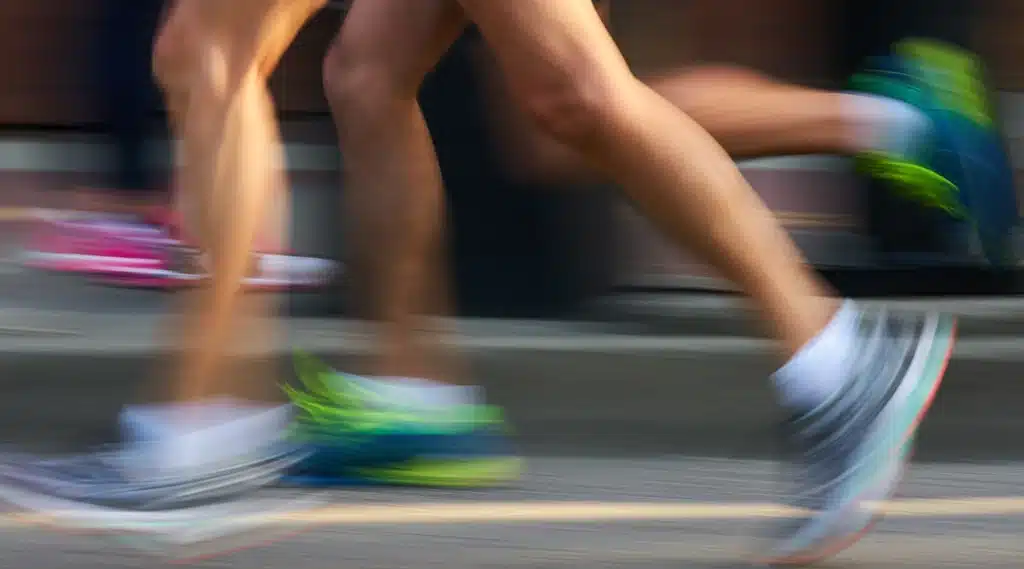
في كل عام، تتحول شوارع لندن إلى مسرح لعرض مثير للإعجاب يبرز قوة التحمل والمرونة وروح التضامن المجتمعي خلال ماراثون لندن.
في حين يسعى الرياضيون المحترفون إلى تحقيق إنجازات استثنائية، يسلط هذا الحدث الضوء أيضًا على حقيقة أكثر شمولية بكثير: فالفوائد الصحية الملموسة يمكن أن تبدأ بشيء بسيط مثل المشي يوميًا.
لا يقتصر الماراثون على الأداء المتميز فحسب، بل هو احتفال بإنجازات شخصية. وبالنسبة للعديد من المشاركين، يبدأ إكمال السباق بخطوات صغيرة ومتواصلة يتم اتخاذها قبل أشهر من انطلاقه.
في عيادة الدكتورة صوفيا خاليق، ننصح مرضانا دائمًا بأن الصحة المثلى لا تتحقق باللجوء إلى التطرف، بل بالانتظام. فالجري والركض والمشي كلها أنشطة تقدم فوائد مثبتة علميًا تتجاوز بكثير مجرد اللياقة البدنية.
فوائد القلب والأوعية الدموية
تلعب الأنشطة الهوائية، سواء كانت الجري أو المشي السريع، دورًا أساسيًا في صحة القلب والأوعية الدموية. فممارسة التمارين الرياضية بانتظام تقوي عضلة القلب، وتحسن الدورة الدموية، وتعزز وظائف الأوعية الدموية.
حتى النشاط البدني البسيط له آثار ملموسة. تشير الدراسات إلى أن الجري لمدة لا تتجاوز 5 إلى 10 دقائق يوميًا يمكن أن يقلل بشكل كبير من خطر الإصابة بأمراض القلب والأوعية الدموية والوفاة المبكرة.
المشي له نفس القدر من الأهمية. فقد ثبت أن زيادة عدد الخطوات اليومية وشدة المشي ترتبط بانخفاض مخاطر الإصابة بالنوبات القلبية والسكتات الدماغية وفشل القلب، مع ظهور فوائد إضافية حتى مع الزيادات الطفيفة في مستوى النشاط البدني.
التحكم في الوزن وصحة التمثيل الغذائي
يساعد كل من الجري والمشي على تعزيز وظائف التمثيل الغذائي والتحكم في الوزن. كما أن ممارسة التمارين الهوائية بانتظام تحسن حساسية الجسم للأنسولين، وتخفض ضغط الدم، وتساعد على تنظيم مستويات الكوليسترول.
والأهم من ذلك، تشير الأدلة إلى أن المشي والجري يمكن أن يؤديا إلى انخفاض مماثل في مخاطر الإصابة بارتفاع ضغط الدم والسكري وارتفاع الكوليسترول في الدم، عندما يكون استهلاك الطاقة متماثلاً.
بالنسبة للعديد من المرضى، ولا سيما أولئك الذين يعانون من ضغوط جدول أعمالهم المهني، يُعد المشي وسيلة عملية ومستدامة للبدء في تحسين الصحة الأيضية.
الصحة النفسية وتخفيف التوتر
كما أن الفوائد النفسية للحركة لا تقل إقناعاً. فقد ثبت أن التمارين الهوائية تقلل من التوتر، وتحسن المزاج، وتخفف من أعراض القلق والاكتئاب.
من الناحية السريرية، نلاحظ في كثير من الأحيان أن المرضى الذين يدمجون المشي أو الركض بانتظام في روتينهم اليومي يبلغون عن تحسن في النوم وزيادة في التركيز ومرونة عاطفية أكبر. ويمكن أن يكون للطبيعة الإيقاعية والمتكررة لهذه الأنشطة، لا سيما في الهواء الطلق، تأثير تجديدي عميق.
القوة العضلية الهيكلية وطول العمر
تعد التمارين التي تتطلب تحمل الوزن، بما في ذلك المشي والجري، ضرورية للحفاظ على كثافة العظام وصحة المفاصل وقوة العضلات. كما أن ممارسة النشاط البدني بانتظام تحسن الأداء البدني العام وتقلل من مخاطر التدهور المرتبط بالتقدم في العمر.
يُعد المشي، على وجه الخصوص، بديلاً خفيفاً على المفاصل، حيث يزيد من معدل ضربات القلب وتدفق الدم مع الحد الأدنى من الضغط على المفاصل، مما يجعله مناسباً لجميع الفئات العمرية ومستويات اللياقة البدنية.
نهج شخصي في ممارسة الحركة
الرسالة التي يحملها ماراثون لندن بسيطة لكنها قوية: الحركة دواء. فالنشاط البدني المنتظم يحسّن صحة القلب والأوعية الدموية، ويدعم الصحة النفسية، ويطيل العمر
في عيادة الدكتورة صوفيا خاليق، نركز على وضع خطط تمارين رياضية مخصصة ومستندة إلى أسس طبية. ورغم أن فوائد النشاط البدني واضحة، فإن الكثافة والوتيرة المناسبتين يجب أن تعكسا دائمًا الحالة الصحية لكل فرد وتاريخه الطبي وأهدافه الشخصية.
بالنسبة للبعض، قد يعني ذلك اتباع برامج جري منظمة، أما بالنسبة للآخرين، فقد يعني الالتزام بالمشي يوميًا. وكلا النهجين، عند تطبيقهما بانتظام، يوفران فوائد كبيرة ودائمة.
.