

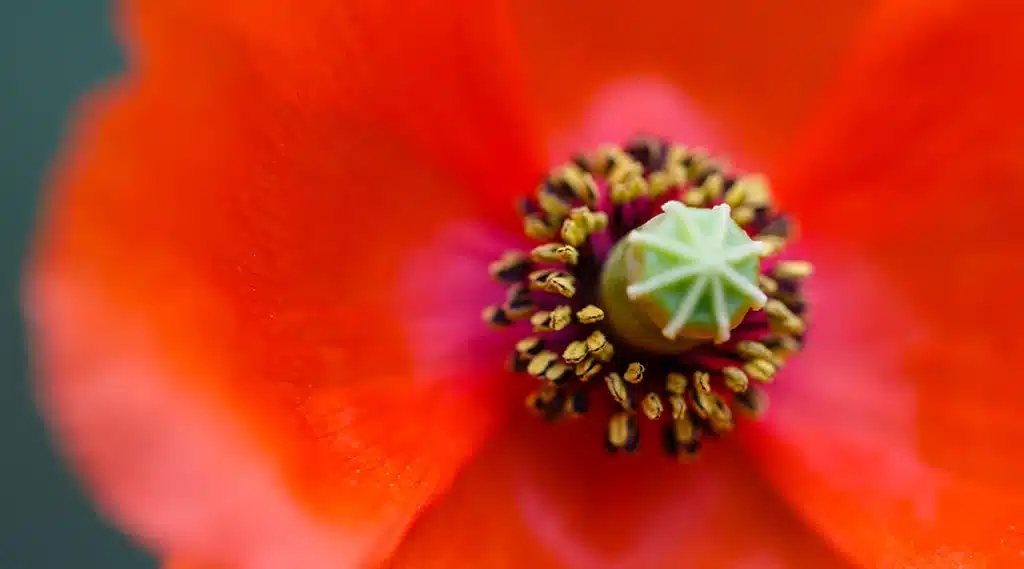
As the RHS Chelsea Flower Show opens its gates once again, it brings with it a celebration of design, resilience, and the extraordinary potential of the natural world.
In medicine, we share that same perspective. While the gardens on display capture attention for their beauty, they also reflect something more enduring: the powerful relationship between nature and innovation.
Many of the healthcare treatments we rely on today trace their origins to plants, petals, and compounds first discovered in the soil beneath our feet.
INNOVATION ROOTED IN NATURE
Flowers have long played an intrinsic role in the advancement of modern medicine.
Nearly 25% of modern prescription drugs contain compounds derived from plants.
Flowers continue to inspire new research in oncology, cardiology, infectious disease, and neurology.
As a medical practice committed to evidence-based care, we are continually reminded that innovation often begins in the natural world. The partnership between science and nature has transformed medicine and it continues to guide the future of patient care.
NATURE’S PHARMACY: SOME OF THE FLOWERS THAT HAVE CHANGED MEDICINE
The Rosy Periwinkle and Cancer
In the 1950s, researchers studying this flowering plant discovered compounds that would later become vincristine and vinblastine, chemotherapy agents used to treat leukaemia, Hodgkin lymphoma, and other cancers.
Foxglove and Heart Health
A powerful cardiac glycoside. In the 18th century, physician William Withering identified its ability to treat dropsy, now understood as congestive heart failure.
From his work came digitalis, a medication that has supported heart function for generations and laid the foundation for modern cardiology pharmacology.
Autumn Crocus and Inflammatory Disease
Used since ancient times to relieve joint pain. Its derivative Colchicine remains a standard treatment for gout and certain inflammatory conditions, including pericarditis.
This small flower continues to improve quality of life for patients living with chronic inflammatory disease.
The Opium Poppy and Pain Management
This iconic flower has had an enormous impact on medicine. From it come morphine and codeine, medications that revolutionised pain management and remain essential in surgical care, cancer treatment, and palliative medicine.
This woodland flower containins the compound galantamine, a substance which is used in modern Alzheimer’s medicines, boosting acetylcholine in the brain to help nerve cells communicate better. Current research is also revealing its ability to also relieve traumatic injuries to the nervous system.
BEYOND BIOCHEMISTRY: THE HEALING POWER OF FLOWERS
Flowers contribute to health in more ways than pharmacology alone. Research shows that exposure to flowers and natural environments can:
• Reduce stress and anxiety
• Lower blood pressure
• Improve mood
• Promote faster recovery after surgery
Flowers positively influence emotional well-being, reminding us that healing is not only physical; it is emotional and psychological as well.